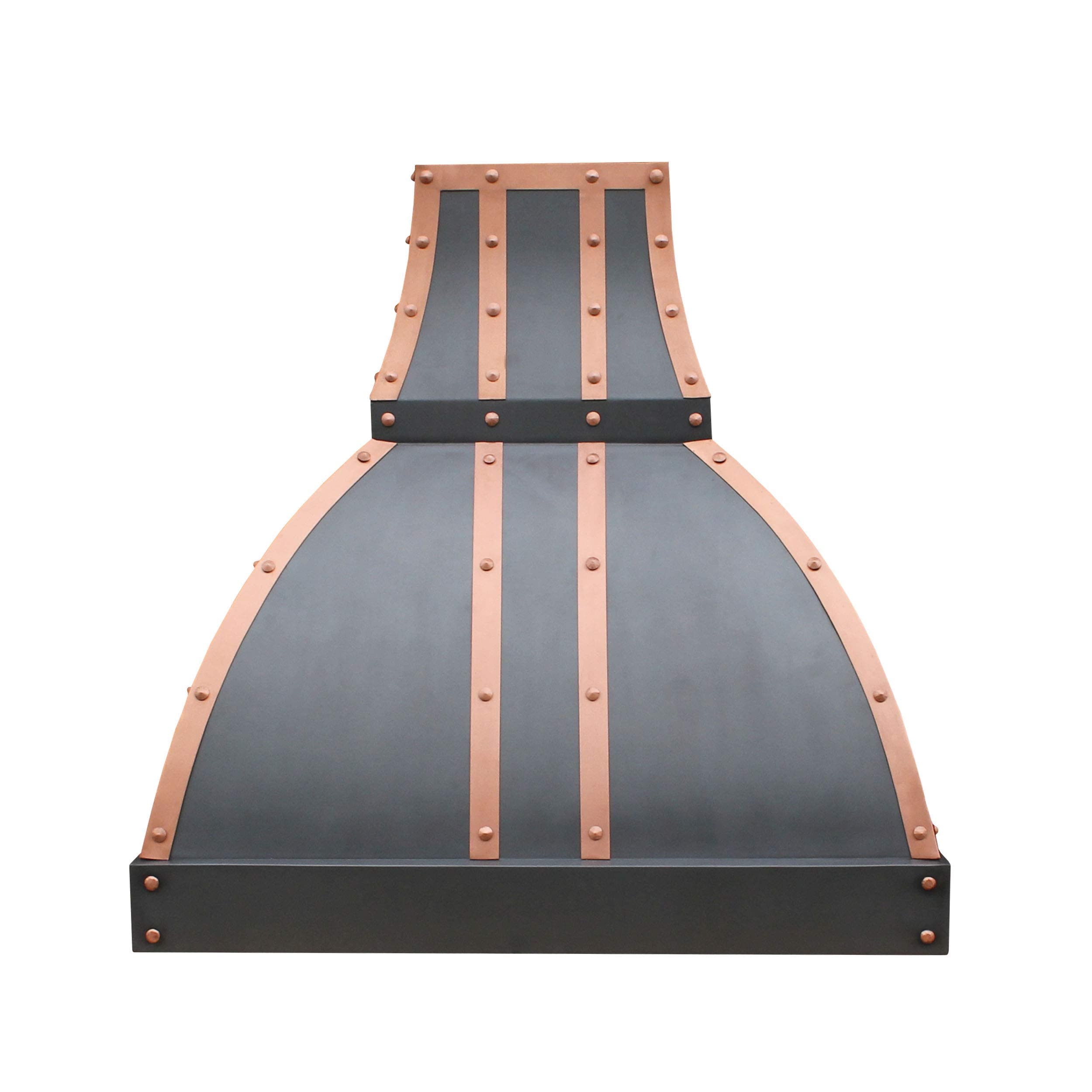
The SINDA Island Mount Copper Range Hood is a striking addition to any kitchen, offering both aesthetic appeal and functional benefits. However, it's essential for buyers to weigh its unique features against their needs.
Why Choosing Within This Category Is Difficult
Selecting the right range hood can be challenging due to an abundance of options that cater to various tastes, budgets, and performance criteria. Each model offers different levels of ventilation power (measured in CFM), noise control, ease-of-use features such as touch controls or remote operation, material quality which impacts durability and cleaning effort, and design aesthetics.
Common Buyer Mistakes
One common mistake is focusing too much on the visual appeal at the expense of practical considerations like venting capacity. Another pitfall is overlooking maintenance requirements; some materials may require more upkeep than others to maintain their appearance over time. Lastly, buyers often underestimate installation complexity which can affect both initial costs and long-term satisfaction.
Real-World Use Expectations
In everyday use, this SINDA range hood provides excellent ventilation for cooking activities while adding a touch of elegance with its hammered-natural copper finish. It effectively manages grease removal through efficient filtration systems designed to be easy-to-clean without compromising performance or style.
Where This Product Fits (Strengths & Weaknesses)
Strengths:
- Stylish Appearance: The unique hammered-copper design enhances kitchen aesthetics.
- Effective Ventilation: Provides robust airflow capabilities suitable for high-volume cooking environments.
- Ease of Cleaning: Filters are accessible and designed to be simple to remove and clean.
Weaknesses:
- Installation Complexity: Requires professional installation due to its specific mounting requirements, which can add extra costs upfront.
- Maintenance Intensity: While easy to access filters may help with regular cleaning tasks, the copper finish might require more attention than stainless steel alternatives over time for rust prevention and polishing.
Who Should Avoid This Product
Homeowners looking for a quick DIY installation or those on a tight budget should consider simpler range hood models. Similarly, individuals prioritizing low-maintenance kitchen appliances will find this model demanding in terms of upkeep due to its unique material composition.
Comparison with Alternative Styles / Specs
Compared to wall-mounted units, island-mount designs like the SINDA offer better clearance for cooktops and a more centralized airflow management system which can be advantageous. However, they often come at higher price points compared to their counterparts designed primarily for basic functionality rather than decorative appeal.
Maintenance and Long-Term Considerations
Regular cleaning of filters is crucial to maintain optimal performance levels; using mild soap solutions recommended by the manufacturer helps preserve both efficiency and appearance over time without causing damage or corrosion issues. Additionally, periodic inspections ensure that all mechanical components are functioning correctly throughout its lifespan.
Frequently Asked Questions (FAQs)
Q: Is professional installation necessary?
A: Yes, given its island-mount design specifics, hiring a certified technician ensures proper setup according to manufacturer guidelines and safety standards.
Q: How often should I clean the filters?
A: It depends on usage frequency but generally after every heavy cooking session or at least once per week is advisable.
Q: Can this model be customized further in terms of color/material options?
A: The SINDA range hood comes with a fixed hammered-copper finish and stainless steel components, limiting customization possibilities beyond what's offered out-of-the-box.
Final Neutral Thoughts
The SINDA Island Mount Copper Range Hood presents itself as an attractive blend of form and function for those seeking to elevate their kitchen space aesthetically while ensuring effective ventilation needs are met. However, potential buyers should carefully assess whether its unique features align with practical requirements before making a purchase decision based on personal preferences regarding installation complexities versus desired benefits.


